Showing posts with label beauty. Show all posts

Coconut Oil for Out of Control Curls and Lack-Lustre Locks!


Perhaps you have noticed the mane of thick shiny hair owned by people living in tropical coastal regions? Their secret is Coconut Oil. People everywhere are switching on to its natural benefits. We’ll tell you what they have been discovering.
Unfairly demonized by the FDA for years because of its high saturated fat content, coconut oil is finding new proponents daily, with internet doctors such as Dr Oz and Dr Mercola singing its praises to the masses.
Used for thousands of years, it just happens to be one of the most effective conditioners for all hair types, the hidden reason it’s in so many hair care products.

How Does Coconut Oil Care for Your Hair?
Regular conditioners tend to soften hair and smooth the cuticles, adding shine and giving the appearance of healthiness. Coconut Oil works at a deeper level, and actually does boost hair and scalp health and repairs your damaged hair. As an added bonus it’s also an antimicrobial which controls the fungus causing dandruff, so you can skip the dandruff shampoo.
Coconut Oil is thick, white and semi-solid at room temperature and should be warmed to melting point prior to use on hair. Unrefined (100% Virgin) coconut oil is ideal for your hair and less expensive than commercial cosmetic products.

Penetrates, Thickens and Protects
Virgin Coconut Oil is completely absorbed by the hair, filling up the hollow shafts, adding body and making hair appear thicker, whilst also protecting it from damage (by reducing fiber swelling).
Prevents Protein Loss and Boosts Shine
Coconut Oil helps hair retain proteins – normally lost through weak, damaged hair. It also seals in moisture, making hair stronger and silkier.
Prevents Dandruff and Hair Fall-Out
Coconut Oil’s antibacterial properties protect the scalp against infections resulting in itching, dandruff and weak dry hair. They also protect hair follicles, strengthening hair – meaning less breakage and less hair falling out!
Promotes Hair and Scalp Health
Vitamins E and K found in coconut oil nourish hair and boost health and shine. Massaging it into the scalp makes it easier for hair follicles to absorb nutrients, whilst stimulating blood circulation to the area, moisturising and preventing build-up of dry skin (another cause of dandruff).
How to Use Coconut Oil for Hair
girl combing her dry damaged hair
I use a ‘super moisturizing conditioner’ as my regular conditioner, thoroughly mixing Honey, Aloe Vera juice and a standard conditioner for dry hair (a tablespoon of each).
You just use it in the same way as you would any normal conditioner, massaging into wet hair. I run my fingers through my hair rather than combing it through. To avoid greasy roots, I don’t massage into the scalp, but rinse thoroughly. Getting shiny nourished hair is nice and easy. I have fairly straight hair and still use shampoo to clean my hair and prevent greasiness.
Smooth and Shine Spray

girl spraying on her hair

To maximize results I use a spray comprising of both Aloe Vera gel and Aloe Vera juice (a tablespoon of each), a teaspoon of Jojoba Oil and enough water to ensure the mixture isn’t too viscous. Some people add Glycerin because it is a humectant (makes water stick to the hair), but I don’t like it as I found it too sticky.
Give the bottle a good shake and then spray evenly to clean the damp hair. If, like me, you’re prone to slightly oily roots, then start lower down working towards the ends. This spray is great for smoothing split ends!
And if you want to go the whole distance, when the hair has dried, lightly smooth on small amounts of ‘jojoba jelly’ – Jojoba Oil and Glycerin (a tablespoon of each), mixed with a 1/3 of a cup of Aloe Vera gel.
Deep Conditioning Coconut Oil Treatment
For hair that is dry/damaged I perform a regular deep conditioning treatment. A mixture of 4 tablespoons of conditioner and 3 tablespoons of cold pressed virgin coconut oil works wonders for me. My hair feels so much healthier afterwards, and since using it, it’s almost dandruff-free.
I simply work it into my hair when damp, towel wrap, and leave to work its magic for around 2 hours, before rinsing. I treat my hair to this ‘healing session’ every other week, although it would be even more beneficial to do so weekly. Depending on the extent of damage, you might even want to skip the conditioner, applying only coconut oil.


How to Use Coconut Oil on Your Hair and Skin


Coconut oil has numerous benefits for both hair and skin. It is nutritious for all hair types, helping hair to shine, softening hair, remedying damaged hair by helping to preserve the hair's natural proteins[1] and can even provide relief from dandruff.[2] For the skin, coconut oil is an excellent moisturizer for all skin types, and especially for dry and older skin. Coconut oil is so good at smoothing out the appearance of wrinkles and helping with skin conditions like psoriasis and dermatitis that it's often added to commercial skin care products.[3] And there's more––the lauric acid in coconut oil has both anti-bacterial and anti-fungal properties.[4]
If you're not already using coconut oil in your beauty routine, it's worth trying it––it's inexpensive and you'll most likely love the results.

Steps:

1: Apply the coconut oil directly onto your scalp. If you live in an arid climate, consider lightly misting your hair with water first.

2: Massage hair from hair roots to ends.


3 : Leave on for at least 30 minutes before washing. For best results, leave on for as long as you can and apply at least three times a week.

4 : For deeper penetration, apply directly onto your scalp, massaging from roots to ends before bedtime. Then leave on overnight (cover your head with a cap or towel, or lay a towel across your pillow). Shampoo and rinse well in the morning.


Oily Hair Care Tips

If you suffer from oily hair, you know how frustrating it can be to keep it looking clean, fresh, and neat all day long. While a little bit of oil on your hair gives it a vibrant and healthy appearance, too much weighs it down and makes it look limp. Oily hair is more difficult to style and keep styled, and can often have the appearance of looking greasy or stringy before the day is over.

What Makes Hair Oily? There are several factors that may make your hair oilier than necessary, especially your genetics. Right along with other features, you can inherit the excess of oil in your hair follicles directly from your mom, dad, or close relative. Physiologically speaking, hormones can also play a part, especially if you're on medication to prevent pregnancy or manage menstrual symptoms.

The thickness of your hair is another important part of the puzzle, since it helps dictate the oil distribution of each strand. Every hair has two or three oil glands each, so if you have very fine hair, there is less surface area for that oil to coat. Thicker or coarser hair will have a more balanced distribution of oil, although those hair types can also suffer from insufficient oil resulting in dryness. The same goes for the shape of your hair, since straight hair makes oil easier to travel across. If you have straight, fine hair, you're more at risk to suffer from naturally oily hair.

Oily Hair Prevention
Getting ahead of your hair's oiliness is the best way to keep it looking clean, fresh, and styled all day long. If you craft a good regimen for treating your oily hair, you'll have much more success in preventing it in the future. The trick is to dry up some of the oil without over-drying it completely and leaving it limp and lifeless. It's important to find a good balance that keeps just enough oil in your hair for it to stay healthy.

Daily Glow recommends several soaks you can try to help cut back on excess oil, including weak tea, lemon juice and water, a shot of alcohol diluted in two cups of water, or a quarter cup of vinegar in two cups of water. After applying any of these treatments, be sure to rinse your hair well afterward with warm (not hot!) water to remove all traces of the solution.

Each day, keep up with your oil-preventing routine to get the best results. Choose a mild or clarifying shampoo designed for oily hair to cleanse daily. This shampoo should contain a higher level of detergent and fewer conditioners than other shampoos to compensate for the excess oil. Be sure to scrub the scalp directly to get to the root of your oil problem, then rinse well with warm water. Leaving soap buildup can increase your oil production, so don't leave anything behind!

Conditioners can be used as a follow-up treatment, but only once or twice a week. Daily Glow advises you apply the conditioner to the ends of your hair, not your scalp, to discourage excess oil production while still treating your hair where it needs it.

Other Steps to Try
Oily hair can sometimes occur when your scalp is dry and compensates by making extra oil. If you are suffering from a dry scalp, try a tea tree oil shampoo to help nourish the scalp and treat your dryness without overloading your hair with oil.

Your oily hair might also need a little extra help staying free of product residue. When your hair is limp from product overload, it gets oilier and greasier faster. Try adding a detoxifying shampoo to your routine just once a week. Don't use these products daily as they can easily over-dry your hair and scalp, setting off that cycle of oil production all over again.

Detoxifying or clarifying shampoos are a great product to use weekly if your hair is particularly oily or if your locks are greasy from hair product build up.
Staying Oil-Free All Day With your hair properly cleansed, you're ready to style. Avoid heavy, creamy products that can increase oil and weigh down your hair. Instead, look for specially designed products for oily hair and style just as you want it. Once it's set, don't touch it! Brushing, combing, and even running your hands through your hair can help the oil from your scalp spread throughout your hair strands. To restyle without this unwanted effect, brush some baby powder through your hair to absorb the oils first, says Daily Glow.

Be prepared for oily locks throughout the day and stay on alert. Carry a mini container of dry shampoo with you, just in case. This can quickly refresh your look in minutes, no matter where you are, says The Hair Styler. Also carries these products with you for those unexpected oily moments:
  • Light hairspray in a travel size can for restyling on the go.
  • A small brush you clean regularly (better than using your fingers!)
  • Hair care products in your gym bag for after that sweaty workout!
Non-Direct Approaches to Oil Reduction Living a healthy lifestyle is always an extra way to keep your skin, hair, and nails looking healthy. To attack oil production on all fronts, stick to a good diet and exercise plan. Drink enough water each day, eat a diet rich in vitamins and minerals, and take steps to increase activity and reduce your stress levels. Even small lifestyle changes can reap big benefits on the beauty front, so be healthy all around to see results.

Daily Hair Care Routine in Six Easy Steps


Trying to look after your hair and get all that everyday stuff done you need to do, as well as look after your friends and family, can be a difficult balancing act. We all want to have great hair; but unfortunately, shiny, healthy hair doesn't just happen without a little bit of effort.


That effort, however, doesn't have to take up all of your time or break the bank. In fact, the only thing you need to do is put in the short amount of time necessary to follow this simple daily hair care routine. It's that easy!

Step #1: Brush Your Hair

It may seem like the obvious thing to do, but maybe what you didn't know is that brushing keeps your hair tangle free and distributes its natural oils throughout the hair. This promotes healthy growth and shine.

Step #2: Wash Your Hair

How often you wash your hair depends on your hair type and texture. Work out what's best for you by seeing how your hair reacts to washing and hair care products, and develop a schedule from there. For instance:
  • Your hair is coarse/dry if it often feels brittle- this means you only need to wash it every second or third day.
  • Your hair is fine/oily if it feels greasy the day after you wash it- this means you need to wash it daily.
  • Your hair is normal if you wash it one day and it's not too greasy the next- this means you can get away with washing it every other day.
Shampoo Tips
  • Remember to shampoo in small, circular movements; don't forget to target dirt collecting areas such as the nape of your neck.
  • Massaging your scalp will increase blood flow which encourages growth and will stimulate your hair's natural oils (producing shiny locks).
  • Coarse/dry hair will benefit from hydrating shampoos.
  • Fine/oily hair should be washed with a clear shampoo (one that doesn't look creamy).
  • Normal hair can use just about any type of shampoo- just remember to always use good quality products for the best results.
Conditioner Tips
  • Similar to body lotion for your skin, conditioner is moisturizer for your hair and will keep your strands hydrated and manageable.
  • For an even application use your hands and a wide-toothed comb.
  • If you've got coarse/dry hair try a hydrating conditioner and apply it right from your roots to your ends.
  • For fine/oily hair use a lightweight conditioner and avoid putting it on your roots (evenly distribute it from the mid-lengths to the ends).
  • For normal hair you can use just about any kind of conditioner, applied from your roots to your ends also.

Step #3: Apply Hair Styling Products

If you have a hairstyle that needs to use hair products- hairspray for hold, wax for hold and shine, or serum for shine and to maintain fly-away pieces- then don't use too much! You might end up weighing your hair down and reducing its volume, or just making it greasy and dirty. Often less is more.
Also, don't forget to protect your hair. If you style your hair with a hair straightener or blow-dryer, it's very important to protect your hair with heat protecting products, and to give your hair a break every few days from the stress of using hair accessories and hairstyling tools.

Step #4: Style Your Hair

Everyone styles their hair, whether they're elaborate updos, professional looking hairdos for work, or casual wash-and-wear looks. Styling is required daily and should be done as gently as possible.

Step #5: Brush Your Hair Again at Night

Brushing your hair again at night will help you to untangle any knots that made their way into your locks during the day.

Step #6: Secure Your Hair at Night

Securing your hair at night with a simple ponytail or plait will make sure your locks don't get snagged or tangled as you sleep.
There you have it, a simple daily routine (and some great hair care tips). It's not hard to follow, it won't have you spending all of your hard earned cash, and most importantly, it will get your hair in the best condition possible.
Now that you know how to look after your hair, why don't you find a style to show off your fabulous locks! Log in to your account to see our huge number of virtual hairstyles.


How Effective Is Saw Palmetto for Hair Regrowth?


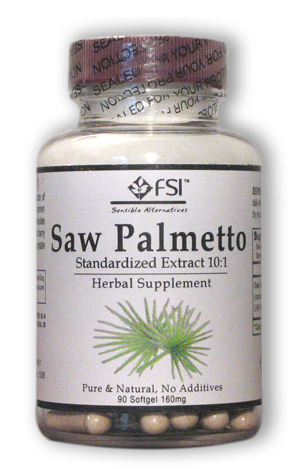
Using saw palmetto for hair regrowth can be slightly to moderately 
effective, but the herb is usually not very effective if used alone. Although saw palmetto is widely used as an alternative natural treatment to prevent hair loss, it is not typically lauded for stimulating hair follicles or engendering regrowth. Many people who have used saw palmetto for hair regrowth reported that hair loss dissipates after four to eight weeks of using the herb, but new hair does not appear as a result of it. Some moderate growth of hair has been possible for people who use saw palmetto for hair regrowth in conjunction with other hair boosting botanicals or supplements, however.
Few scientific studies have confirmed that saw palmetto will result in an extended or renewed growth cycle for hair. Research, however, does support theories that saw palmetto can block and slow baldness. Most evidence in support of saw palmetto for hair regrowth is anecdotal and from lay people experimenting with alternative treatments for alopecia and other forms of baldness or hair loss. These users claim to see a definite increase in the rate of hair growth, usually after three months of use. 

The reason saw palmetto has proven effective in preventing or delaying baldness is because the herb can successfully thwart the effects the hormone dihydrotestosterone (DHT), which is responsible for male-patterned alopecia. DHT is an androgen that reduces the size of hair follicles, choking off new hair growth and causing hair to fall out. This condition generally afflicts men who are age 30 and above; women with high levels of testosterone due to menopause or hormonal abnormalities can also be affected. Studies have shown that using saw palmetto daily can lower the amounts of DHT being produced and absorbed by follicles on the scalp.
Usually ingested, saw palmetto is not applied directly to the scalp in order to reap hair benefits. The standard daily amount for effectiveness in arresting DHT-linked hair loss is 320 mg of the extract or 160 mg of saw palmetto powder. Those using the crushed or dried fruit of the plant typically take an eighth of a teaspoon (about 0.61 ml) daily. Men who testify that their hair has grown from using saw palmetto for regrowth have typically used it daily, with roughly 100 mg of beta-sitosterol. This combination, according to at least one study, can boost hair growth up to 60 percent.
High in beta-carotene, saw palmetto comes from the fruit of the saw palmetto shrub. Ancient peoples for centuries used the fruit of this plant for prostate troubles before appropriating it for hair care. Other issues treatable with saw palmetto include bronchitis, migraines, and faulty sex drive.

4 Hair Benefits of Aloe Vera


Hair issues, such as hair loss or thinning, excessive frizz, dryness, or oiliness, as well as scalp conditions, including dandruff, scaly, or itchy skin plague, millions of Americans each day. Aloe vera shampoos and conditioners have been around for years and serves as an ideal alternative to commercial hair products. For gorgeous, healthy looking hair, try natural aloe vera.
Promoting Hair Growth
Aloe vera can be used as a safe and natural treatment to prevent hair loss. It is great for both men and women to promote new hair growth in places that have experienced hair loss or significant thinning. Aloe vera stimulates the production of new hair and may even lessen the effects of Alopecia.
Nourishing Shampoo
The aloe vera plant is packed with essential vitamins and minerals that aid in restoring hair’s strength and beauty. When combined with coconut milk and oils, such as wheat germ oil or jojoba, aloe vera gel can make a revitalizing shampoo that not only works to prevent hair loss but also promotes new hair growth. Aloe vera gel can be added to favorite shampoos to deliver nourishing benefits. When combined with herbs, essential oils, and plant extracts, the nutritive benefits of aloe vera are multiplied exponentially.
Reducing Dandruff
The natural enzymes found in aloe vera can soothe and moisturize the scalp, helping to eliminate the scaly dryness that causes dandruff. It also helps to increase blood circulation in the scalp, which works to stimulate the production of moisturizing oils.Aloe vera reduces the dry, itchy feeling that accompanies dryness or oiliness. It keeps the hair’s natural oils in balance to prevent excessively oily or dry scalp. Aloe vera also brings a refreshing and cooling sensation to the scalp.
Natural Conditioner
Aloe vera acts as a natural conditioning agent that restores the hair’s sheen, luster, and shine. It not only makes the hair soft, but it also enhances strength and suppleness. It naturally combats frizz but does not have the greasy buildup that many hair care products leave behind.
Regardless of the scalp or hair’s condition, whether too oily or too dry, aloe vera can restore the proper balance. It has amazing results for promoting hair growth as well as staving off hair loss. Say goodbye to expensive and often ineffective hair treatments. Try aloe vera, nature’s own remedy for restoring health and beauty to hair.

How to Condition Your Hair With Aloe Vera

Aloe vera plants contain a thick sap that offers deep conditioning benefits. Because of this, this gel is a good natural conditioning agent for hair. The book "Naturally Healthy Hair" points out that aloe vera gel also has antibacterial properties that can treat scalp issues such as dandruff. Aloe vera is generally quite mild, but you may want to test a small amount on your scalp before doing a full treatment. Allergic reactions are rare, but can happen with very sensitive skin.

Step 1

Grip a leaf on the aloe vera plant and slice through it with a sharp knife where the leaf meets the stem. Squeeze the gel from inside the leaf into your palm.

Step 2

Rub your hands together to evenly distribute the aloe vera gel. Apply the gel to your dry hair, starting at the scalp and working down to the tips of your locks.

Step 3

Wrap your hair in a clean, dry towel and let the treatment sink in for about 30 minutes.

Step 4

Wet down your hair with warm water and shampoo it as usual to remove the aloe vera gel from your locks. A conditioner should be unnecessary.

Step 5

Repeat the aloe vera conditioning treatment once weekly to keep your locks shiny, supple and moisturized.

Hair care home remedies best and most effective

 
Eggs, yogurt and honey are, at first glance, all components of a tasty breakfast—but they also happen to be hair treatment ingredients,
and affordable, all-natural ones at that. And they're not the only ones. Did you know,
for instance, that the oils in avocados more closely resemble our own skin's oils than any product in the beauty aisle does?
Or that the mild acidity in lemon is an effective—and gentler—alternative to chemical-laden products? Next time your locks need a lift, save money by using one of these hair care home remedies.

These hair care home remedies Best and most Effective ! 


Hair care home remedies FOR ALL HAIR TYPES

 "The [raw] egg is really the best of all worlds," says Janice Cox, author of Natural Beauty at Home.
 The yolk, rich in fats and proteins, is naturally moisturizing, while the white, which contains bacteria-eating enzymes, removes unwanted oils, she explains.
To Use: For normal hair, use the entire egg to condition hair; use egg whites only to treat oily hair; use egg yolks only to moisturize dry, brittle hair, Cox says.
Use 1/2 cup of whichever egg mixture is appropriate for you and apply to clean, damp hair. If there isn’t enough egg to coat scalp and hair, use more as needed.
Leave on for 20 minutes, rinse with cool water (to prevent egg from “cooking”) and shampoo hair.
Whole egg and yolks-only treatments can be applied once a month; whites-only treatment can be applied every two weeks. (easy hair care home remedies)


Hair care home remedies FOR DULL HAIR

Styling products (as well as air pollution) can leave a film that both saps moisture and dulls shine—but dairy products like sour cream and plain yogurt can help reverse this damage.
 "Lactic acid gently strips away dirt while the milk fat moisturizes," says Lisa Belkin, author of The Cosmetics Cookbook.
To Use: Massage 1/2 cup sour cream or plain yogurt into damp hair and let sit for 20 minutes. Rinse with warm water, followed by cool water, then shampoo hair as you normally would. Treatment can be applied every other week.


Hair care home remedies For Itchy Scalp

To fight flakes—brought on by poor diet, stress and climate, among other factors—try a lemon juice and olive oil mixture in your hair.
 "The acidity in lemon juice helps rid your scalp of any loose, dry flakes of skin, while the olive oil moisturizes the [newly exposed] skin on your head," says Cox.
To Use: Mix 2 Tbsp fresh lemon juice, 2 Tbsp olive oil and 2 Tbsp water, and massage into damp scalp. Let mixture sit for 20 minutes, then rinse and shampoo hair. Treatment can be applied every other week.


Hair care home remedies FOR LIMP OR FINE HAIR


To add body to hair, reach for an unlikely beauty beverage: beer! The fermented drink contains generous supplies of yeast, which works to plump tired tresses, explains Cox.
To Use: Mix 1/2 cup flat beer (pour beer into a container and let it sit out for a couple of hours to deplete carbonation) with 1 tsp light oil (sunflower or canola) and a raw egg.
 Apply to clean, damp hair, let sit for 15 minutes, then rinse with cool water. Or add flat beer only to a spray bottle and spritz onto dry hair.
 "When the liquid evaporates, the remaining protein residue (from the wheat, malt or hops) continues to strengthen and structure hair," says Belkin. Treatments can be applied every other week.

Hair care home remedies FOR DRY OR SUN-DAMAGED HAIR

Whatever your hair-dehydrating demon—hard water, sun overexposure, your trusty flat iron—nature's sweetener can help. "Honey is a natural humectant, which means it attracts and locks in moisture," says Cox.
To Use: Massage approximately 1/2 cup honey into clean, damp hair, let sit for 20 minutes, then rinse with warm water.
You can also add 1 to 2 Tbsp olive oil to loosen the honey for easier application.
For extremely sun-damaged hair, trying mixing honey with 1 to 2 Tbsp of a protein-rich ingredient, like avocado or egg yolk, which will help replenish the keratin protein bonds that UV rays attack. Treatment can be applied once a month.


Hair care home remedies FOR OILY OR GREASY HAIR


"Used properly, [cornmeal or cornstarch] is an inexpensive way to remove oil and grease," says Belkin.
To Use: Pour 1 Tbsp cornmeal or cornstarch into an empty salt or pepper shaker and sprinkle onto dry hair and scalp until you’ve used it all.
After 10 minutes, use a paddle hairbrush to completely brush it out. Treatment can be applied every other day.


Hair care home remedies FOR FRIZZY HAIR

Home beauty experts swear by avocado—and not just to repair damaged hair. Its oils (which are light and moist like our own natural skin secretions) and proteins boast the best combination of nutrients for smoothing and weighing down unruly hair, explains Cox.
To Use: Mash up half an avocado and massage into clean, damp hair. Let sit for 15 minutes before rinsing with water.
Amp up moisturizing power by combining mashed avocado with 1 to 2 Tbsp of a hydrating ingredient, like sour cream, egg yolks or mayonnaise.
Treatment can be applied every two weeks.

hair care home remedies FOR RESIDUE-RIDDEN HAIR


 "Nothing eats through product buildup like baking soda," Cox says. Sodium bicarbonate essentially breaks down anything acidic.
To Use: Mix 1 to 2 Tbsp baking soda with small amounts of water until a thick paste forms. Massage into damp hair and let sit for 15 minutes.
Rinse with water, then shampoo hair. Treatment can be applied every two weeks.


NOTICE : these hair care home remedies best and most effective for healthy hair.

Green Tea Beauty Secrets and Benefits

Green tea has gotten a lot of attention in recent years, and not just for its amazing health benefits while consumed as a drink.  Cosmetic companies have capitalized on green tea’s potent anti-oxidant qualities and started adding it to their products for face and body.  But what is it exactly that makes green tea a staple for your beauty drawer?


Beauty in a green tea cup:

Clinical research has shown that green tea leaves contain high amounts of anti-oxidants, which fight free radicals (harmful particles in the body that contribute to aging and diseases). These anti-oxidants work to fight free radicals when applied to the skin in the same way as when they are digested. But if you don’t want to spend a lot of money on expensive lotions and potions containing green tea extract, you can easily make your own beauty essentials right in the kitchen. Here are some simple green tea home beauty remedies:


Strengthening hair rinse – protect your hair from pollution, harsh products, and make it strong and shiny by rinsing with a green tea solution.  To make the rinse, simply steep 3-4 green tea bags in 1 L of boiling water for about an hour, let it cool down and thoroughly rinse your hair with it in the shower after you’ve shampooed and conditioned it.

Soothing eye compress – reduce puffiness and dark circles under your eyes by placing two used, cooled green tea bags over your closed eyes while lying down for 10 minutes. Alternatively you can brew 2-3 tea bags in a cup of boiling water, refrigerate for a few hours and use cotton balls soaked in the concentrate over the eyes the same way. The anti-oxidant content of green tea leaves works to prevent fine wrinkles and lines around the eyes.

Exfoliating body scrub – use dry ground green tea leaves mixed with honey to remove dirt and impurities from your pores. The slightly abrasive texture of dry green tea leaves and honey act as a great exfoliant to scrub off dead skin cells and pollutants, leaving your skin soft and smooth. Green tea leaves also have great anti-inflammatory properties and help reduce blemishes and scars.  Use it either for your face or your body.  Rub a small amount of the mixture in circular motion (avoiding the eye area) with your fingertips, leave on your skin for 10-15 minutes, and rinse off with water.

Refreshing face toner – make the same type of solution as for the hair rinse, soak a cotton ball with it and dab it all over the face as a toner first thing in the morning and at bedtime. Or use it in a spray bottle as a spritzer to invigorate and refresh your skin. Green tea’s antiseptic properties can help with cuts, scrapes and acne.

Detoxifying facemask – green tea leaves also help preserve your skin by reducing damage caused by the sun. Make a skin-reviving facemask out of green tea and yogurt (3 tblsp full fat yogurt + 1 tblsp ground green tea leaves). Apply on the face for 20 minutes then rinse well with water. This mask will help reduce sunspots and even out the skin tone.

Drink yourself skinny

Green tea can help you lose weight! It’s no wonder why supermodels and celebrities use green tea in their diets to stay in shape. Green tea boosts metabolism when consumed in high quantities daily. It also flushes toxins out of the body and has diuretic properties to reduce water retention. When I was getting ready for the Miss Universe contest, my nutritionist advised me to drink a cup of strong green tea after every meal to help my digestive system burn more fat, and flush out excess water to help my belly look flatter. I’ll drink to that!

Breath of fresh air

If you are concerned with your breath, green tea can also help you stay fresh. Swishing your mouth with high concentration of green tea will help prevent odor-causing bacteria from building up on your teeth and freshen up your mouth. You can also make your own toothpaste, using high concentration of green tea liquid and a teaspoon of baking soda. All natural and healthy toothpaste!