Showing posts with label Hair Growth. Show all posts

Oily Hair Care Tips

If you suffer from oily hair, you know how frustrating it can be to keep it looking clean, fresh, and neat all day long. While a little bit of oil on your hair gives it a vibrant and healthy appearance, too much weighs it down and makes it look limp. Oily hair is more difficult to style and keep styled, and can often have the appearance of looking greasy or stringy before the day is over.

What Makes Hair Oily? There are several factors that may make your hair oilier than necessary, especially your genetics. Right along with other features, you can inherit the excess of oil in your hair follicles directly from your mom, dad, or close relative. Physiologically speaking, hormones can also play a part, especially if you're on medication to prevent pregnancy or manage menstrual symptoms.

The thickness of your hair is another important part of the puzzle, since it helps dictate the oil distribution of each strand. Every hair has two or three oil glands each, so if you have very fine hair, there is less surface area for that oil to coat. Thicker or coarser hair will have a more balanced distribution of oil, although those hair types can also suffer from insufficient oil resulting in dryness. The same goes for the shape of your hair, since straight hair makes oil easier to travel across. If you have straight, fine hair, you're more at risk to suffer from naturally oily hair.

Oily Hair Prevention
Getting ahead of your hair's oiliness is the best way to keep it looking clean, fresh, and styled all day long. If you craft a good regimen for treating your oily hair, you'll have much more success in preventing it in the future. The trick is to dry up some of the oil without over-drying it completely and leaving it limp and lifeless. It's important to find a good balance that keeps just enough oil in your hair for it to stay healthy.

Daily Glow recommends several soaks you can try to help cut back on excess oil, including weak tea, lemon juice and water, a shot of alcohol diluted in two cups of water, or a quarter cup of vinegar in two cups of water. After applying any of these treatments, be sure to rinse your hair well afterward with warm (not hot!) water to remove all traces of the solution.

Each day, keep up with your oil-preventing routine to get the best results. Choose a mild or clarifying shampoo designed for oily hair to cleanse daily. This shampoo should contain a higher level of detergent and fewer conditioners than other shampoos to compensate for the excess oil. Be sure to scrub the scalp directly to get to the root of your oil problem, then rinse well with warm water. Leaving soap buildup can increase your oil production, so don't leave anything behind!

Conditioners can be used as a follow-up treatment, but only once or twice a week. Daily Glow advises you apply the conditioner to the ends of your hair, not your scalp, to discourage excess oil production while still treating your hair where it needs it.

Other Steps to Try
Oily hair can sometimes occur when your scalp is dry and compensates by making extra oil. If you are suffering from a dry scalp, try a tea tree oil shampoo to help nourish the scalp and treat your dryness without overloading your hair with oil.

Your oily hair might also need a little extra help staying free of product residue. When your hair is limp from product overload, it gets oilier and greasier faster. Try adding a detoxifying shampoo to your routine just once a week. Don't use these products daily as they can easily over-dry your hair and scalp, setting off that cycle of oil production all over again.

Detoxifying or clarifying shampoos are a great product to use weekly if your hair is particularly oily or if your locks are greasy from hair product build up.
Staying Oil-Free All Day With your hair properly cleansed, you're ready to style. Avoid heavy, creamy products that can increase oil and weigh down your hair. Instead, look for specially designed products for oily hair and style just as you want it. Once it's set, don't touch it! Brushing, combing, and even running your hands through your hair can help the oil from your scalp spread throughout your hair strands. To restyle without this unwanted effect, brush some baby powder through your hair to absorb the oils first, says Daily Glow.

Be prepared for oily locks throughout the day and stay on alert. Carry a mini container of dry shampoo with you, just in case. This can quickly refresh your look in minutes, no matter where you are, says The Hair Styler. Also carries these products with you for those unexpected oily moments:
  • Light hairspray in a travel size can for restyling on the go.
  • A small brush you clean regularly (better than using your fingers!)
  • Hair care products in your gym bag for after that sweaty workout!
Non-Direct Approaches to Oil Reduction Living a healthy lifestyle is always an extra way to keep your skin, hair, and nails looking healthy. To attack oil production on all fronts, stick to a good diet and exercise plan. Drink enough water each day, eat a diet rich in vitamins and minerals, and take steps to increase activity and reduce your stress levels. Even small lifestyle changes can reap big benefits on the beauty front, so be healthy all around to see results.

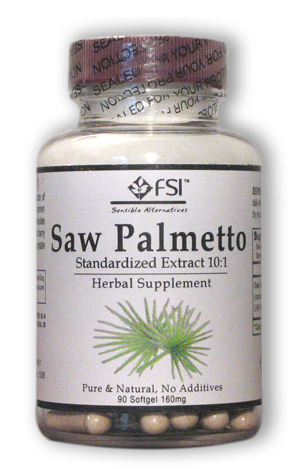
How Effective Is Saw Palmetto for Hair Regrowth?


Using saw palmetto for hair regrowth can be slightly to moderately 
effective, but the herb is usually not very effective if used alone. Although saw palmetto is widely used as an alternative natural treatment to prevent hair loss, it is not typically lauded for stimulating hair follicles or engendering regrowth. Many people who have used saw palmetto for hair regrowth reported that hair loss dissipates after four to eight weeks of using the herb, but new hair does not appear as a result of it. Some moderate growth of hair has been possible for people who use saw palmetto for hair regrowth in conjunction with other hair boosting botanicals or supplements, however.
Few scientific studies have confirmed that saw palmetto will result in an extended or renewed growth cycle for hair. Research, however, does support theories that saw palmetto can block and slow baldness. Most evidence in support of saw palmetto for hair regrowth is anecdotal and from lay people experimenting with alternative treatments for alopecia and other forms of baldness or hair loss. These users claim to see a definite increase in the rate of hair growth, usually after three months of use. 

The reason saw palmetto has proven effective in preventing or delaying baldness is because the herb can successfully thwart the effects the hormone dihydrotestosterone (DHT), which is responsible for male-patterned alopecia. DHT is an androgen that reduces the size of hair follicles, choking off new hair growth and causing hair to fall out. This condition generally afflicts men who are age 30 and above; women with high levels of testosterone due to menopause or hormonal abnormalities can also be affected. Studies have shown that using saw palmetto daily can lower the amounts of DHT being produced and absorbed by follicles on the scalp.
Usually ingested, saw palmetto is not applied directly to the scalp in order to reap hair benefits. The standard daily amount for effectiveness in arresting DHT-linked hair loss is 320 mg of the extract or 160 mg of saw palmetto powder. Those using the crushed or dried fruit of the plant typically take an eighth of a teaspoon (about 0.61 ml) daily. Men who testify that their hair has grown from using saw palmetto for regrowth have typically used it daily, with roughly 100 mg of beta-sitosterol. This combination, according to at least one study, can boost hair growth up to 60 percent.
High in beta-carotene, saw palmetto comes from the fruit of the saw palmetto shrub. Ancient peoples for centuries used the fruit of this plant for prostate troubles before appropriating it for hair care. Other issues treatable with saw palmetto include bronchitis, migraines, and faulty sex drive.

How to Condition Your Hair With Aloe Vera

Aloe vera plants contain a thick sap that offers deep conditioning benefits. Because of this, this gel is a good natural conditioning agent for hair. The book "Naturally Healthy Hair" points out that aloe vera gel also has antibacterial properties that can treat scalp issues such as dandruff. Aloe vera is generally quite mild, but you may want to test a small amount on your scalp before doing a full treatment. Allergic reactions are rare, but can happen with very sensitive skin.

Step 1

Grip a leaf on the aloe vera plant and slice through it with a sharp knife where the leaf meets the stem. Squeeze the gel from inside the leaf into your palm.

Step 2

Rub your hands together to evenly distribute the aloe vera gel. Apply the gel to your dry hair, starting at the scalp and working down to the tips of your locks.

Step 3

Wrap your hair in a clean, dry towel and let the treatment sink in for about 30 minutes.

Step 4

Wet down your hair with warm water and shampoo it as usual to remove the aloe vera gel from your locks. A conditioner should be unnecessary.

Step 5

Repeat the aloe vera conditioning treatment once weekly to keep your locks shiny, supple and moisturized.

Is Saw Palmetto For Hair Loss Really Effective?


With baldness becoming such a common problem, more and more people are now turning to natural solutions for it. Of these natural solutions, Saw Palmetto is a prominent one. Let's find out if taking Saw Palmetto for hair loss is really going to help you or not.
To be able to evaluate the effectiveness of Saw Palmetto for hair loss, we first need to understand the root cause behind this loss of hair.
Apart from hormonal surges in some conditions and treatments for severe illnesses, the major cause of hair loss in both men and women is Androgenic Alopecia.
In this condition, the androgen hormone in the body produces a derivative known as Dihydrotestostrone (DHT). This DHT attaches itself to the hair follicles and prevents them from producing thick, healthy hair.
First, the new hairs begin to become a bit thinner than normal. Then the follicle gets completely shrunk and is not able to produce new hair at all. This lack of supply of new hair to replace the old ones, results in thinning hair and baldness on the scalp.
Now, let's see what Saw Palmetto can do in this situation.
This herb has traditionally been used by Native Americans as a tonic. It is also very beneficial in case of urinary infections.
But recent research has shown that this herb is very effective at preventing hair loss too. It prevents the 5-alpha-reductase enzyme from converting the testosterone in the blood into DHT.
The blockade of DHT is just what is needed by the follicles to start producing new hair and reverse the baldness effectively. The added advantage is - as this is a natural ingredient; Saw Palmetto doesn't have any side effects too.
However, just relying on this herb may limit the results you get. If you add other nutrients like Vitamin B complex and minerals such as Zinc and Magnesium to your diet, then the quality and the rate of your hair re-growth will be even better.
You can even consider using the FDA approved ingredient Minoxidil. Similar to the effect of using Saw Palmetto for hair loss, this ingredient also inhibits the DHT in your blood and prevents it from harming the hair follicles in your scalp.
Using Saw Palmetto for hair loss can be a smart move if you want to get a full head of hair back. Just supplement it with other effective ingredients and you will get even faster results.


Article Source: http://EzineArticles.com/2776980

Herbs and Vitamins For Hair Growth


There are hundreds of herbs and vitamins out there that promise to promote hair growth. It is difficult to separate myth from fact if you are not aware of the science behind balding and hair regrowth. When deciding whether to pay money for special vitamins, visit your physician first. While it is true that Folic Acid, Biotin, and Magnesium have been linked to healthy regrowth, high levels of these vitamins are not good for the body. A physician can properly diagnose whether you have any vitamin deficiencies and subsequently suggest a vitamin.
If you have an inadequate diet, it is recommended you consume special vitamins on the side. Green leafy vegetables and fruits are great natural sources of vitamins that will help nourish your hair. For example, green leafy vegetables are rich in vitamin E and can help improve blood circulation in the scalp. If you treat your body well, your hair will be better nourished and grow naturally. It is always better to consume vitamins in their natural sources rather than in supplemental tablets.
There are also certain herbs that have been recommended for hair growth. Aloe Vera and onions are both believed to be beneficial in protecting hair and encouraging growth. Garlic is also theorized to improve growth. Regardless of what herbs and vitamins for hair growth you use, always check its method of action. Herbs that stop the actions of DHT or prevent the conversion of testosterone into DHT will have the best chance of succeeding in stopping hair loss and regrowing hair.


Article Source: http://EzineArticles.com/2046612

Herbs Support Hair Growth - Add Them For Quick Results


If you want to see more hair growing on your head faster, then you should definitely take a look at what herbs can do for you. You see, herbs are considered to be nature's healing ingredients for the human body. It makes sense for hair loss sufferers to include these into their daily life as well.
There are several of them that are known to help boost the way your hair grows if you consume them regularly.
Saw Palmetto Extract
One of the most interesting things about saw palmetto isn't that it helps to keep the prostate gland in men healthy, but it is also a very excellent herb for preventing male pattern baldness. What it does is block a hormone called dihydrotestosterone from forming in your body.
As you can tell from the name of that hormone, it has a lot to do with the hormone testosterone in the male body. It's formed from an excess of it and can really start to make you lose hair rapidly. What it does is bind itself to all healthy hair follicle cells in your scalp.
If you don't do something about it you can expect much of the hair on your head to fall out fast. So be sure you're taking saw palmetto daily as part of a dietary supplement routine.
Green Tea
Often times we don't think of green tea as being an herb, but it certainly is one of them. It's on the list with various other herbs for improving the way your hair grows. Drinking four cups of it daily will work much like saw palmetto, but it does something that saw palmetto will not do.
Green tea not only blocks hormones that cause hair loss, but it also will make your hair grow back faster due to various chemicals catechins that are found in it. If you do not like the way green tea tastes you can still get the benefits of this herb just by popping green tea capsules.

Article Source: http://EzineArticles.com/3798869

What Are the Best Herbs for Hair Growth?

If you are interested in finding a new way to make your hair healthy, then look no further than herbal hair oils. There are currently many types of herbal hair oils on the market, and many provide great benefits. These oils are created by using many different types of herbs; in particular, they commonly use ayurvedic herbs. Whether you are looking to prevent hair loss or trying to re-grow your hair, there is an herb that will work for you.
Ayurvedic herbs for your hair are most effective at promoting new growth, but are also helpful for moisturizing your scalp and balancing your mind. When it comes to these types of herbs, there are many types including Amalaki, Bhringaraj, and Triphala. Each of these herbs when added to hair oils and shampoos can reverse the many damaging elements that your hair is subjected to such as tension, extreme pollution, harsh shampoos, and other styling products. The science describing the research is in an industry referred to as Ayurveda science. This form of science works to develop hair treatments that are natural and work to promote new growth while giving the hair a new chance at life.
The three Indian Ayurvedic herbs mentioned above are all wonderful for helping the hair to grow. Below you will find a description for three popular herbal hair oils.
Triphala
Triphala is a collection of three herbs that are mixed together and administered orally once per day. This herbal mixture has proven it is very effective in preventing hair loss. In addition, it is very helpful if you mix it in with hot oil and use it to massage the scalp. There are certain brands of shampoos that are currently using Triphala as an ingredient to help prevent the hair from falling out.
Amalaki
Embelica Officinalis, or Amalaki, is a wonderful product to help hair re-grow. This is an all-natural product that is created by sun drying and boiling the Embelica Officinalis fruit in coconut oil until the solid fruit is totally cooked. Once the solution cools, it can be massaged into your tresses to prevent pre-mature graying of the hair and promote new hair growth. Actually, Amalaki is so great for your hair that you can use the water in which the fruit was saturated in as hair conditioner. You will simply apply the solution to your hair and rinse after a few moments to get an ultra shiny mane!
Bhringaraj
We saved what is quite possibly the most important one for last, and that is Bhringaraj. We should start by informing you that this herb is the most common one used in Ayurveda when it comes to hair care. In fact, it is thought to help rejuvenate and maintain hair, hearing, memory, teeth, sight, and bones. When you use this Ayurvedic herb as an oil, it has proven to make the hair darken, thus ridding the scalp of gray hairs and treating balding. Bhringaraj is like the rest of the herbs in one as it prevents pre-mature graying, hair loss, and stimulates new growth. In traditional times, they would boil the plant's leaves in coconut and sesame oil which would ultimately act as a dye and turn the hair black and healthy. Currently, they use Bhringaraj in many of today's popular herbal shampoos that are aimed at promoting growth.
Other Herbal Hair Oil Types
If you did not find an herb you would like to use above, there are plenty of other types of herbal hair oils. For example, some other popular oils are olive oil, coconut oil, Jojoba oil, and rosemary herbal oil. Depending on what outcome you are trying to achieve, there is surely one to suit your needs. For example, if you are suffering from dandruff and unwanted flakes, you can use warm rosemary herbal oil and apply it to the top of your head and scalp; you will not believe the difference it will make! The other types of oil are also very beneficial; jojoba oil is wonderful for moisturizing and detangling, coconut oil strengthens, and olive oil not only strengthens but also nourishes your beautiful strands.
To choose which herbal hair oil is right for you, you will first need to determine what exactly your hair is missing and what you hope to achieve. Regardless of what you are after there is a type of herbal hair oil that will fit your needs.

Article Source: http://EzineArticles.com/7297439

Herbs for Hair Growth for Women and Men

At some point in everybody's life you're going to experience some amount of thinning hair on your scalp. Most often individuals will have these experiences during middle-age, though it has been known that some people begin noticing hair loss as early as in their 20s. While there are many prescription and over-the-counter medicated products to combat baldness, you can also take herbs for hair growth as a more natural approach.
Specific organic substances have been proven effective in hair rejuvenation. Specific herbs for hair growth include Saw Palmetto for men and Horsetail Silica for women. Biotin, also known as Vitamin B7, along with Magnesium and Vitamin B6 are also highly effective in hair rejuvenation. Taking these substances internally through organic herbal supplements can effectively balance your hormonal levels, one of the main causes of female and male pattern baldness.
Using Horsetail Oil rubbed directly into the scalp can keep follicles healthy while at the same time stimulating hair regrowth. The massaging of the oil into the scalp also increases blood circulation to the area providing an avenue to deliver the essential nutrients necessary for hair rejuvenation.
Aloe Vera also stimulates hair growth and is a natural treatment for thinning and balding areas on your scalp as it maintains healthy blood flow. It also has antibacterial properties and by massaging it into the scalp can effectively wash away any dirt and bacteria clogging the hair follicle. By releasing the trapped toxins, chemicals, hormones, dirt and bacteria from the strand of hair and follicle it will naturally cause the stimulation needed to begin restoration and rejuvenation of hair.
Burdock has been clinically proven to prevent hair loss because of its natural ability to eliminate harmful toxins trapped in the follicles and along the base of the strands of hair. Burdock in oil form is also full of essential fatty acids (EFA's) which naturally inhibit any inflammation of the scalp, another cause of hair loss.
Chamomile when used in conjunction with all the herbs for hair growth is a natural moisturizer of hair and has the ability to help the scalp produce many of the natural oils necessary to retain moisture in hair. When used consistently, it adds a healthy glow to the strands of hair.
Starting a daily routine of taking herbs for hair growth is a positive step toward hair rejuvenation on the thinning and balding areas on your scalp. It is important for both men and women suffering from hair loss to start taking these herbs as soon as you begin to notice your missing hair. Taking a proactive stand will stimulate hair follicles before they have the time to go permanently dormant.
Check with your local health food store, or search online for high quality herbs for hair growth. Look for those that are sourced from all-natural organic substances free of any toxins, pesticides or chemicals. When you find a product that works for you, maintain vigilance of using it as directed continuously so as not to lose the hair you are fighting to keep.

Article Source: http://EzineArticles.com/5592168

Herbs For Hair Loss - Rejuvenating Hair Growth With Herbal Remedies

Have you ever thought about taking herbs for hair loss that you might be dealing with? The truth is that there are a number of herbs that you can take in order to help get back the healthier scalp and great looking hair that you once had.
Improper nutrition, poor genetics, stress, illness, and many other problems can lead to an unhealthy scalp and damaged hair. When you are dealing with these types of issues, chances are you will find that your hair simply is not as healthy as it should be. Hair will often times become brittle and will most likely shed at a much higher rate than normal.
One thing that many do not understand is that daily shedding is completely natural, and it certainly is not uncommon to shed as much as 100 strands of hair per day. This is perfectly normal, and is even beneficial to the overall health of the scalp. If you find that you are constantly picking up little clumps of hair after you shower or take a bath, have no fear because there really is nothing to worry about.
Excessive shedding, however, may be a sign of an unhealthy scalp and/or unhealthy hair that needs replenishing and repair. There are a number of things you can do to promote good hair health. Some of the remedies that you can resort to in order to bring life back to your hair include maintaining a proper diet, using all natural remedies such as olive oil or apple cider vinegar, getting more exercise, or perhaps even taken certain medications that are approved by your doctor.
There are a number of different hair treatments that you can use to try and eliminate your thinning hair problem, but in many cases there are simply too many unknowns. One thing that many worry about when taking conventional hair loss treatments is what kind of side effects they can potentially produce.
In order to avoid dangerous side effects, many resort to all natural and healthy remedies for their hair loss problems. There are also herbs for hair loss that you can take in order to promote health within both the hair itself as well as the scalp. Most of the battle when dealing with hair loss or hair thinning takes place within the scalp because that is where the majority of the growth takes place.
There are a number of herbs that can be used to minimize the rate of hair loss that you are currently experiencing. Here are some of the more popular herbs for hair loss that can help.
Aloe Vera
Aloe Vera is a particular type of herb that has an enormous calming effect that can help soothe irritated skin, especially on the scalp. Not only does it soothe irritated skin, but it can also help bring back the natural balance that is needed in order for skin to be healthy. Aloe vera can be massaged into the scalp and hair to help bring back moisture to the scalp and condition the skin for healthy hair growth and support.
Ginkgo Bilbao
Blood circulation is important when it comes to hair growth because proper blood circulation allows for more unrestricted flow of oxygen and other important nutrients to the hair follicles. This is turn helps produce healthier and stronger hair. Ginkgo Bilbao helps improve blood circulation which in turn can lead to a healthier scalp and healthier hair as well.
There are many other herbs for hair loss that you can take including green tea, horsetail, algae extract, saw palmetto, and many more.

Article Source: http://EzineArticles.com/6376833

Herbs for Hair Growth to Reverse Hair Loss

If you are noticing that your hair is thinning, you are not alone. Hair loss eventually affects most men and nearly half of all women. The degree of thinning hair can greatly vary. Women typically experience thinning throughout their heads. Men generally start out with a receding hairline which can progress to a bald spot on top of the head. You can reverse this process using herbs for hair growth.
The Benefits of Using Herbs for Hair Growth
Of course, there are medications which can effectively help you grow your hair back. The problem with these treatments is that they have chemicals added to them to stimulate the hair to grow. These chemicals can work their way into your bloodstream and cause muscle aches, headaches and other discomforts.

These treatments will only work for as long as you use them. If you stop using them, your loss of hair will return. Using these treatments over the long term may pose a risk to your health.
You do not have to worry about this with some of the herbs for hair growth. Herbs work with your body's healing systems to deal with the underlying cause of your thinning hair. Medications merely mask the symptoms.
Also medicated treatments can be expensive. Herbal remedies are much more economical.
Horse Tail
Horse tail is one of the most effective herbs for hair growth because it contains silica which strengthens the strands at their roots. You can find this herb as a supplement. It is also included in many hair care products such as shampoos.

Green Tea
Green tea is also among the effective herbs for hair growth. This tea contains compounds which prevent the production of the hormone which causes male or female pattern baldness. This tea is most effective when it is applied directly to the scalp.

Other Herbs for Hair Growth
Saw palmetto, rosemary, nettle root extract, and pumpkin seed are also herbs for hair growth.

It is very important for you to begin treatment for your hair loss as soon as you notice that your strands are thinning. This will significantly increase your chances of getting your strands to grow back. If the follicles sit there for too long without strands, the follicles will lose their ability to function and the hair loss will become permanent.
Learn more about choosing an effective hair loss treatment and preventing baldness.

Article Source: http://EzineArticles.com/?expert=Jenna_Grey


Herbs For Hair Growth - Promote Growth of Hair Using Herbs

One of the most popular hair loss treatment methods is the natural method by using herbs for hair growth; this is mostly preferred among many people because it is safe and effective. You can also use consumer products available in the market that contains purely natural ingredients; especially the ones that contain no harmful chemical ingredients that are detrimental to your health and safety.

In most cases, these products are usually in the form of pills or juice which can be taken on a daily basis; other products are in the form of oil that are massaged on the scalp. The most popular among these two types of products are the oil extracts of herbs applied on the hair to promote growth.
They usually contain herb ingredients like saw palmetto, Aloe Vera, Nettles, Rosemary, Arnica, Chamomile, Catmint, Birch, Arnica, Horsetail, Stinging Nettles, Marigold, Burdock, Parsley, Sage, Licorice, and Southernwood among still many others. These are the essential herbs for hair growth which your product should contain in order to be very effective. Make sure that they are not mixed with any harmful chemicals that will degrade its quality and increase your risk of acquiring adverse events from its use.
One of the many ways that these herbs for hair growth can do is to increase blood supply in the scalp by enhancing its circulation. Aloe Vera and most nettles are greatly beneficial in improving blood and skin condition that will promote hair growth; while horsetail is excellent in keeping your hair shiny and strong. Apart from these, there are also Chinese herbs that are very effective for this purpose like Oyster, Psoralea seeds, and Mulberries seeds which are very efficient in stimulating hair cells to develop more hair when exposed with the ultra-violet rays of the sun. This is highly ideal for people who are regularly working outdoors where they are constantly exposed to the sun.
In any case, just find an excellent product that is well suited for you; and you have a lot of options to choose from considering that there are various kinds of products available in the market today. Just make sure that when you select consumer goods containing natural ingredients; select the ones that contain herbs for hair growth mentioned in this article in order to ensure that you get the best product in the market that is very effective in solving your hair loss problems.
Start doing something now regarding your hair loss problems; you can begin by checking on some of the best solutions for hair loss at Natural Hair Regrowth Treatment and start living your life with more confidence and enhanced self-esteem.


Article Source: http://EzineArticles.com/3021564

Herbs For Hair Growth

Our hair is made up of pertinacious substance called keratin. The herbs for hair growth used will synthesis this protein matter keratin. The herbs that are used for hair growth can be taken in any form either in solid form or liquid form. The liquid form can be juice or oil extracted from the herbs for hair growth. Aroma therapy is a method that uses the herbs in their treatment. The herbs used in their product include cedar wood, grape fruit, jojoba, lavender, lime and aloe vera.

The herbs stated above are used to make oils. These oils are then applied in the hair which helps in the hair growth. The oils are applied in such a way that it is completely dispersed in the scalp of the person using the oil. Another combination of honey, aloe and mulberry is also used in the treatment of hair growth.
Some products are introduced in the market that is made up of herbs. One such example is the revivogen. It is a bio cleansing agent that when applied on the scalp in the form of a shampoo can cure the scalp fungal infection and then stimulates the hair follicular units. This product is more successful under the category of shampoo.
Saw palmetto is the herbs that are used in the products like folligen and revivogen. The extract of this herb is mixed in the composition of the medicine. Some pills are also available from the ayurvedic treatment that helps in the hair growth and regrowth. Other herbs for hair growth are listed and explained below.
Aloe, Arnica, Birch, Burdock, Catmint, Chamomile, Horsetail, Licorice, Marigold, Nettles, Parsley, Rosemary, Sage, Southernwood and Stinging nettle are the major herbs that are used for hair growth. These herbs increase the circulation and the supply of blood in the scalp. Herbs like Aloe, Nettles and Stinging nettles help to clean the blood and the skin for hair growth.
Licorice is the herb that prevents hair loss and helps in the thickening of hair. Horse tail is a herb that makes the hair strong and shiny. It is a good source of silica which helps in making the hair stronger from the root. Rosemary is used to fight dandruff and destroy it which is also a major cause of hair loss. Burdock and marshmallow powder tea is to be taken daily which is a medicine for dry hair.
Ayurveda herbs help to remove the stress from the body and mind which can also cause stress. Jatamamsi and Brahmi herbs are made in to a powder and use it in a cup of hot water. Drink this tea 2 to three times daily and it will relieve the stress from the head and stimulates hair growth.
There are some Chinese herbs for hair growth. They are the Psoralea seeds, Mulberries and the Oyster. Psoralea seeds when exposed in UV rays will stimulate hair cells. There fore the intake of this seed of three to six grams a day will also cause hair re growth.


Article Source: http://EzineArticles.com/1653658